Should you start with one hive or two? What mentors want you to know before you buy
Most experienced beekeepers say start with two hives. Here is why - and an honest look at what that costs versus starting with just one.
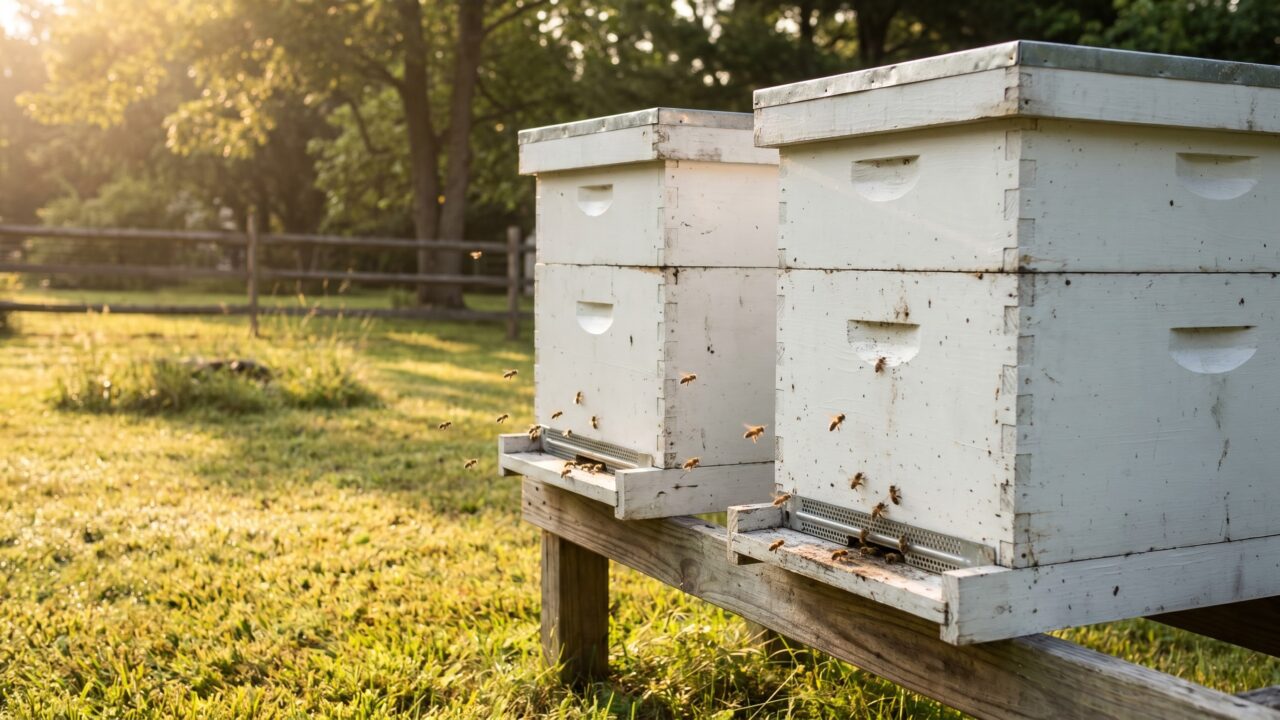
Most beekeeping mentors give the same answer within the first five minutes: start with two hives. Penn State Extension puts it plainly in its new-beekeeper guide - "it is better to begin with at least two or three colonies" - and the reasoning behind that advice is practical, not arbitrary. Two hives give you a comparison baseline, a biological insurance policy, and a frame of eggs to borrow if one colony runs into queen trouble. One hive gives you none of those things.
That said, two hives also cost more upfront, and there is no pretending otherwise. Whether the trade-off makes sense for your situation depends on three things: your first-year budget, how much time you can commit, and your appetite for a total dead-out in year one. This piece walks through each factor so you can weigh them against each other.
Why the two-hive default is so persistent
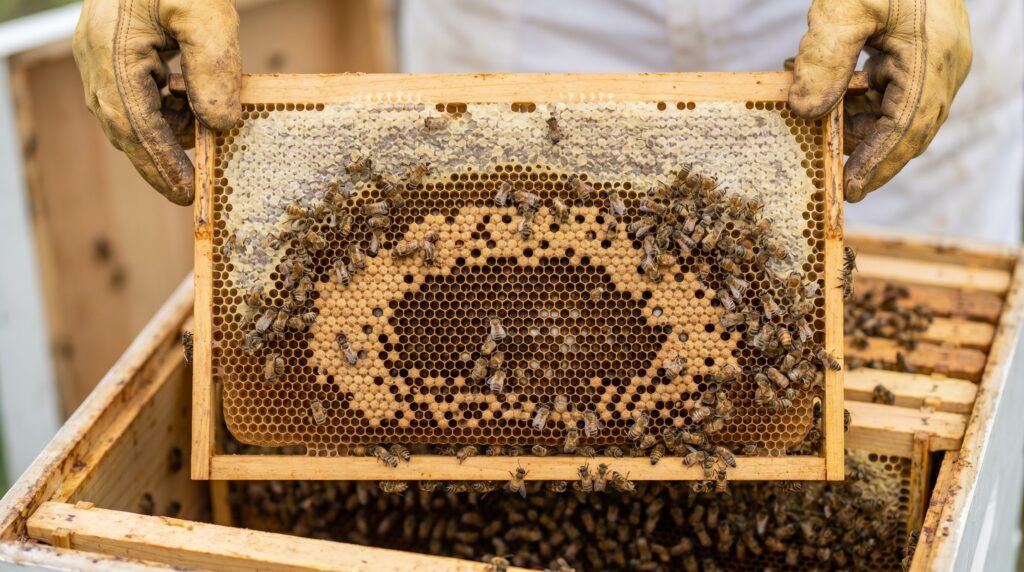
The comparison baseline argument is the one most beginners underestimate. When you have only one hive, every observation you make exists in a vacuum. Is that brood pattern sparse because the queen is failing, or is it just a normal mid-spring gap? Is that colony unusually defensive today, or is that what all colonies do when a storm front moves in? With two hives you have a reference point. A behavior you see in both hives is almost certainly environmental. A behavior showing up in only one tells you something is different about that colony specifically.
New beekeepers consistently report that the comparison habit accelerates their reading ability faster than any single-hive season could. You are learning to read two books at once, but each book helps you understand the other.
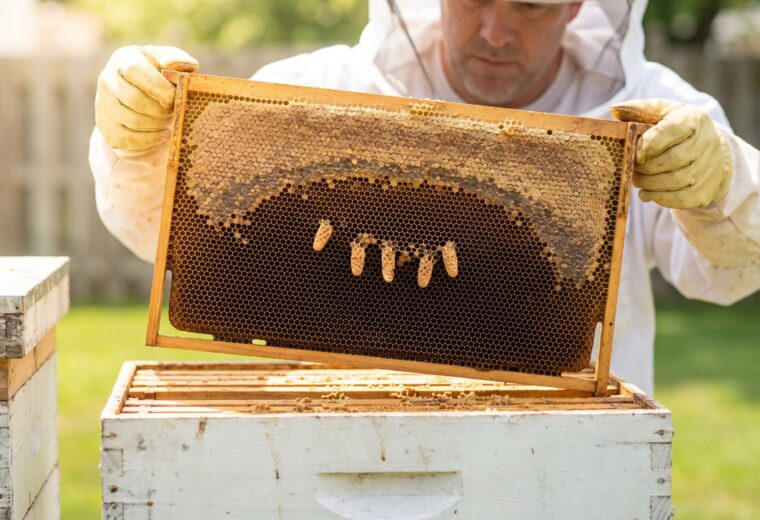
The queen-emergency argument is the one that stings the most when you only have one hive. Queens fail. They get balled during installation, they are damaged on the way out of a supplier's cage, they die in a mite crash, or a colony supersedes quietly and the replacement does not mate well. When that happens in a two-hive yard, you have a straightforward fix: pull one frame of eggs and young larvae from the healthy hive and give it to the queenless one. Worker bees will select a larva younger than three days old, pack it with royal jelly, and raise a new queen. Total cost is about 15 minutes of your time and one frame of resource from a colony that can spare it.
When that happens in a single-hive yard, your options are buy a mated queen (which runs $40 to $70 for a single unit from mainstream US suppliers and requires timing the delivery right), wait and hope the colony raises one on its own with no guarantee of success, or watch the hive dwindle. None of those are as clean as borrowing a frame from next door.
The redundancy argument is the one the loss statistics make most vivid. The Apiary Inspectors of America 2024-2025 survey found that backyard beekeepers - those managing fewer than 50 colonies - lost an estimated 51.4% of their colonies over the year. The 2023-2024 figure was 45.1%. These are not outlier years; the 14-year running average for annual colony losses sits near 41%, with individual years running considerably higher. Put plainly: if you start with one hive, there is roughly a coin-flip chance it does not make it through the first 12 months. Start with two and you have a reasonable probability that at least one survives to teach you what you need to know for year two.
The Ask Extension database, drawing on extension educator responses, frames it this way: "Plan on losing a hive the first year - this is why we recommend starting with two."
The honest case for starting with one
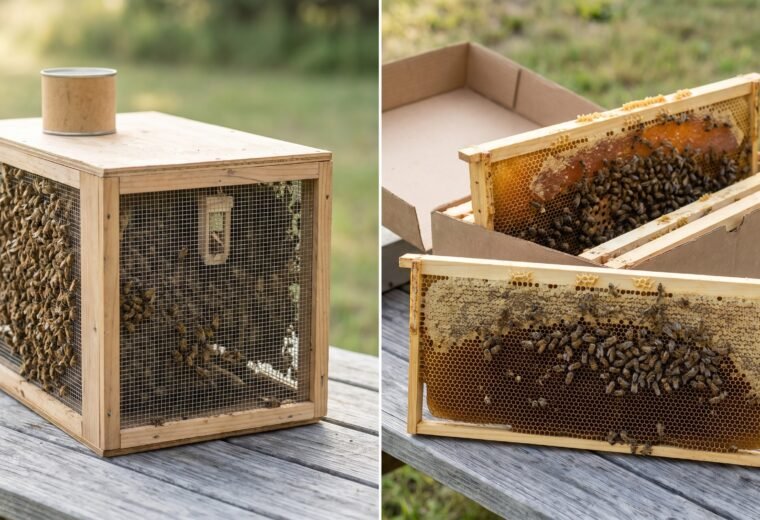
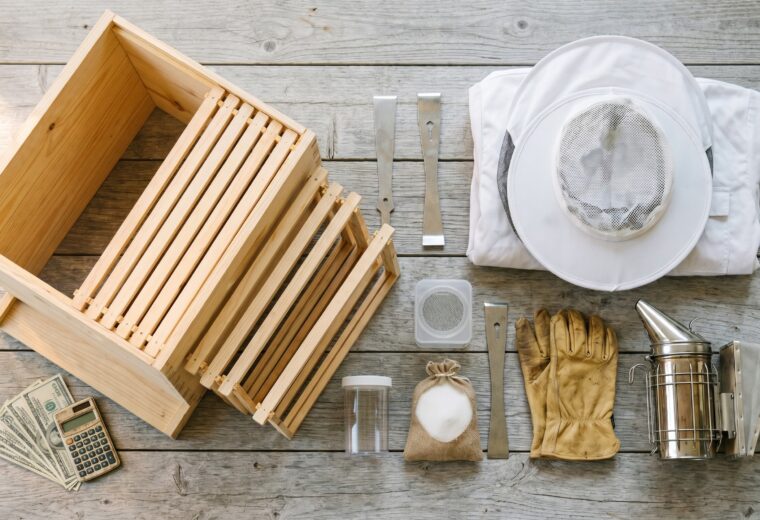
Budget is real. A single complete Langstroth hive kit from a reputable supplier runs roughly $200 to $400 unassembled, more assembled. Add a 3-lb package ($140 to $200) or a 5-frame nuc ($180 to $300), a suit and veil ($80 to $150), a smoker ($30 to $60), and a hive tool, and a one-hive first season lands somewhere between $500 and $800 all-in before mite treatments or any feeding syrup. Two hives roughly doubles the hardware line while the shared gear (your suit, smoker, tool) stays the same. The realistic all-in cost for a two-hive start runs $900 to $1,400 for most beginners, though your region, supplier, and whether you buy nucs versus packages moves that range.
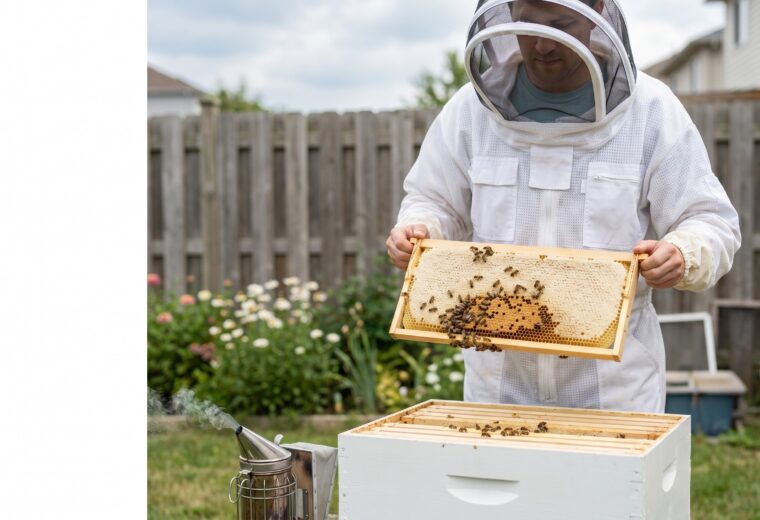
One hive is also genuinely manageable when life is already full. A single colony in the active season takes about an hour a week during inspections, plus the time to check on it. Two hives take roughly the same protective setup time per visit but twice the actual inspection work. For someone with limited weekend hours, that difference is not trivial.
And some people want to verify that beekeeping is something they will stick with before committing to the larger outlay. Starting with one hive for a season, succeeding, and then adding a second from a split the following spring is a legitimate path. The failure mode is losing the first hive and having no backup, but that is a recoverable situation - you buy a nuc the next spring and start again, wiser.
One hive vs two hives: a direct comparison
The table below puts the key trade-offs side by side for a beginning backyard beekeeper. Numbers reflect general US market ranges for standard Langstroth equipment; your local club or supplier may offer better deals.
| Factor | One hive | Two hives |
|---|---|---|
| Estimated first-year all-in cost | $500 to $800 | $900 to $1,400 |
| Shared gear you buy once (suit, smoker, tool) | ~$150 to $230 | ~$150 to $230 (same) |
| Incremental cost of the second hive body + bees | n/a | ~$350 to $600 |
| Comparison baseline for reading brood/behavior | None | Yes - side-by-side contrast |
| Frame-of-eggs rescue if queen fails | Not possible | Available within 2 minutes' walk |
| Probability of total dead-out year one (approx.) | ~50% (you lose everything) | ~25% (both hives fail simultaneously) |
| Active-season inspection time per visit | 30 to 45 min | 60 to 90 min |
| First-year honey expectation | Usually 0, possibly up to 20 lb | Usually 0, possibly up to 20 lb (same) |
| Learning speed | Slower (no reference point) | Faster (contrast accelerates pattern recognition) |
| Best for | Very tight budget; confirming interest first | Serious commitment; most beginners |
A note on the probability row: the ~25% figure for two hives treats each colony's survival as an independent 50-50 event, so the chance of both failing simultaneously is roughly 50% x 50% = 25%. In practice the two hives share the same yard and weather, so they are not fully independent - but the approximation is conservative enough to be useful.
A note on the honey row: both columns say "usually 0." That is not pessimism - it is the reality of colony establishment. A new package or nuc spends its first season drawing comb, building population, and storing enough food to survive winter. The USDA NASS reports national yield averages around 51 to 52 lb per colony in recent years, but those figures reflect established commercial operations. A well-run backyard hive in its second or third season can realistically hit 30 to 60 lb in a good nectar year - though nectar flow, local forage density, and varroa control are the primary variables, so beginners should anchor their expectations at the lower end of that range rather than counting on a banner harvest. Year one, plan for zero and feel good about anything above that.
The varroa problem makes two hives more valuable, not less
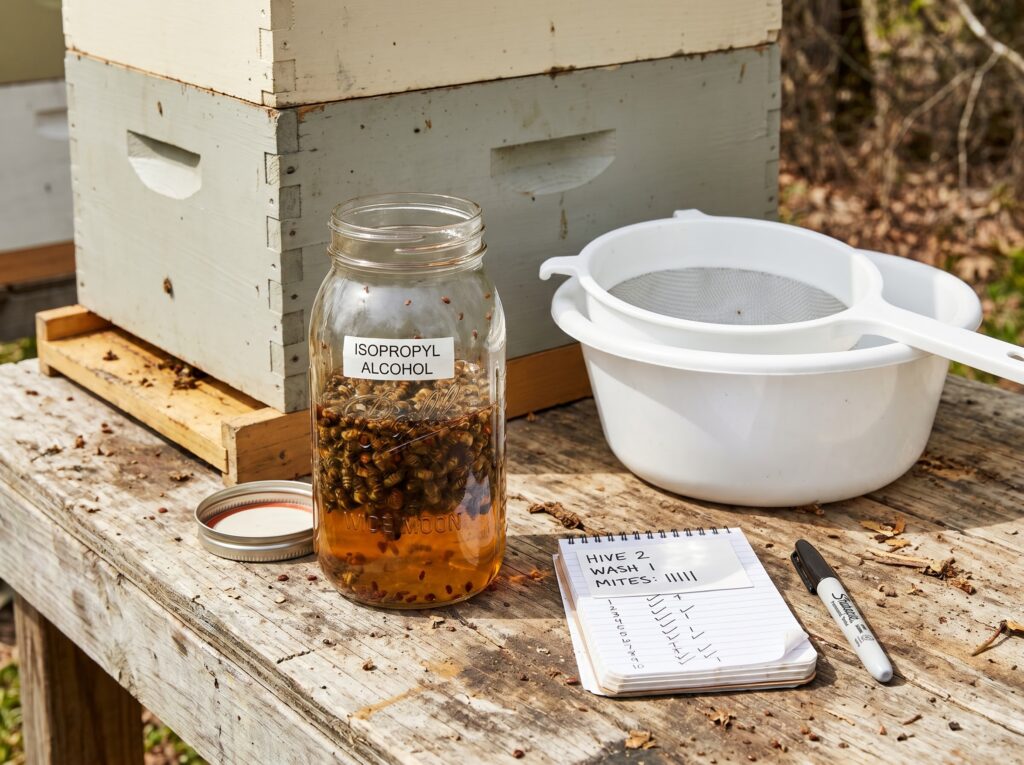
New beekeepers sometimes assume that managing varroa across two hives is twice the work and twice the cost. In practice it changes the arithmetic in your favor. When mite counts in one hive climb toward the treatment threshold - the Honey Bee Health Coalition's current guidance is approximately 2 mites per 100 bees during the summer season, dropping to about 1 per 100 in fall before winter bees are reared - you treat that hive while the other gives you a picture of what an untreated colony looks like at the same moment. That contrast is instructive. It also means if one colony crashes from a mite-driven virus load, you have not lost your only hive.
Varroa is the leading cause of colony death in the US. It is the silent killer that turns a "the bees just died over winter" story into a diagnosable event when you have enough hives to compare. With one hive, a mite crash looks like mysterious failure. With two, you start to see it coming. Mite monitoring with an alcohol wash (about a half-cup sample, roughly 300 bees) takes the same 20 minutes per hive regardless of whether you are sampling one colony or two.
Our full guide on reading the signs of a queenless hive covers what to look for when mite damage or a failed queen leaves a colony without a laying queen - a situation where that second hive becomes your most important tool.
If you start with one hive, protect yourself this way
One-hive beekeepers can close some of the gap by building their safety net into the plan from the start. Order bees the same way you would with two hives - a nuc over a package where possible, since a nuc arrives with drawn comb, an established laying queen, and a small population already organized around her. A nuc gives you a head start that a package, which begins from scratch on bare frames, cannot match. That said, nucs sell out earlier than packages in many regions, so if you cannot secure a nuc in time, a package is a perfectly valid fallback - do not delay your start waiting for one if your local supply is gone. Our breakdown of what separates a package from a nuc walks through the full difference for anyone deciding which to order.
Budget at least $40 to $70 for a single mated replacement queen - that is the realistic single-unit retail price from mainstream US suppliers - and note your nearest supplier's shipping lead time. Queen availability in mid-season can be surprisingly tight. Have the contact information before you need it.
Join a local beekeeping club or association. Many clubs maintain a "queen bank" or can connect you with a mentor who has frames of brood to share. A mentor with a healthy hive next to yours is a functional substitute for owning a second colony - not as immediate, but better than having no resource at all. Starting with a mentor is one of the highest-value moves available to a new beekeeper, and it costs nothing but your time at meetings.
The incremental cost math
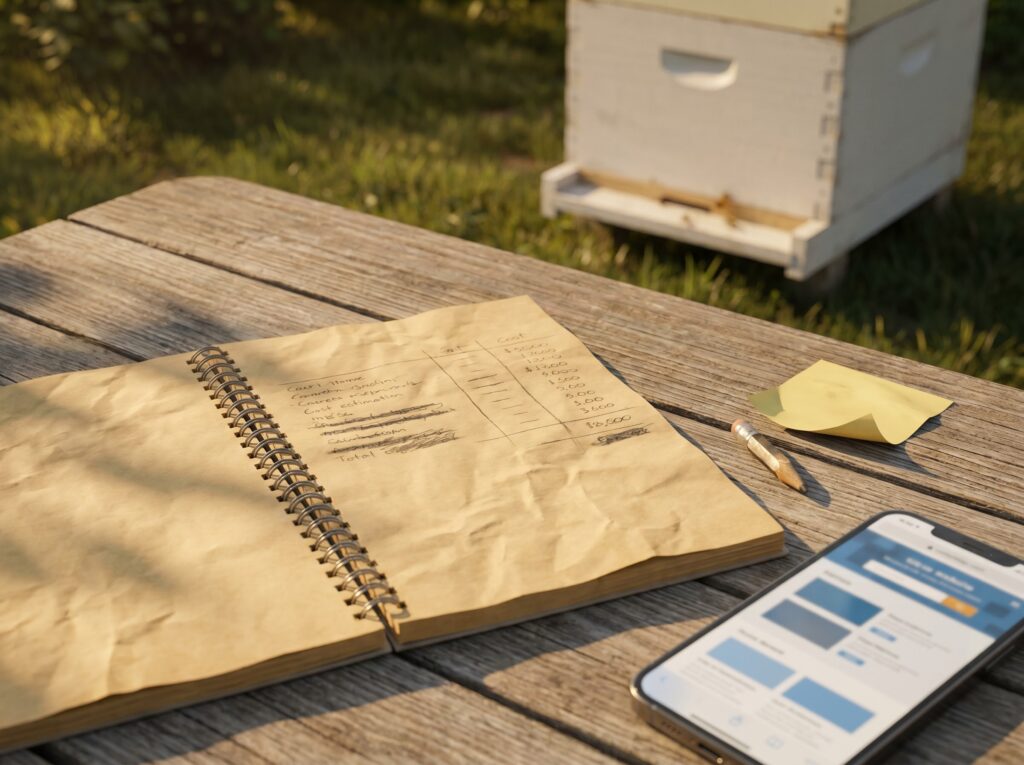
The most common objection to two hives is the upfront price. Here is how to think about the actual incremental cost. Your protective gear, smoker, and tools are fixed regardless of how many hives you run - you buy them once. The second hive adds another set of boxes, frames, and foundation, plus bees. At current supplier prices, that incremental hardware runs roughly $200 to $300 (two deep boxes, a super, frames, covers, and bottom board, unassembled). The second set of bees - another package or nuc - runs $140 to $300 depending on type and region. So the genuine incremental cost of the second hive is closer to $350 to $600, not a full doubling of your budget.
Put another way: if starting with one hive costs you $650, starting with two costs roughly $1,000 to $1,200. The extra $350 to $600 buys you a comparison baseline, an emergency egg supply, and a roughly 25% chance of a total dead-out year instead of roughly 50%. Whether that insurance premium is worth it is a personal budget call, but the premium is smaller than most beginners assume.
For a complete picture of what first-year spending looks like line by line, the full breakdown of beekeeping startup costs covers equipment, bees, treatments, and feed.
When one hive makes genuine sense
Two hive yards where a neighbor's HOA agreement or local ordinance caps colonies at one are common. Some municipalities limit hives per lot and that limit is simply not negotiable. In those cases, one hive is not a compromise - it is the actual rule. Check your local ordinances before purchasing anything. What is allowed at the city level sometimes differs from the county level, and HOA rules can be tighter still.
One hive also makes sense if you are honestly uncertain you will continue. Beekeeping has a meaningful dropout rate in year two. Committing $600 to test your interest and then expanding if you are still engaged is financially prudent. The downside is starting over if your single hive dies; the upside is you spend less learning whether this is a hobby that fits your life.
If budget is the primary constraint, buying a quality suit and the correct hive components for one hive is far better than cutting corners on protective gear or buying undersized equipment to afford two hives. The gear matters. A veil with a gap is a problem on your first inspection; a second hive you cannot afford to manage properly is not an asset. Our overview of what beginner beekeeping actually involves lays out the full scope of what you are signing up for before the buying decisions start.
Frequently asked questions
Can I add a second hive later if I start with one?
Yes, and many beekeepers do. A common path is to run one hive through the first winter, then make a split in spring to create the second colony. The catch is that a first-year hive must be strong enough to split - a colony that barely survived winter may not have the population to do it. If your first-year hive comes through winter on the weaker side, the more practical option is simply to order a second package or nuc the following spring rather than forcing a split from a colony that cannot afford to give up bees. If you plan to add a second hive in year two by either route, aim to overwinter a hive that goes into fall with full stores and a vigorous population.
Does managing two hives really take that much more time than one?
Not as much more as most people expect. The setup for an inspection visit - lighting the smoker, suiting up, carrying your tools out - takes the same 10 to 15 minutes whether you inspect one hive or two. The actual inspection per hive runs 20 to 30 minutes in the active season. So two hives adds roughly 20 to 30 minutes per visit, not double the total time.
What if I live somewhere that limits me to one hive?
Know your limit before you order bees. Some local ordinances, HOA agreements, or property situations genuinely cap you at one colony. In that case, single-hive beekeeping is entirely workable - it just means building the rest of your safety net differently: a reliable queen source in your area, a local mentor or club with colonies, and a clear mite-management plan from day one.
Do both hives need to be the same type?
They do not have to be, but matching equipment makes life considerably easier. If both hives run the same box depth and frame dimensions, frames are interchangeable between them. That interchangeability is what makes the frame-of-eggs rescue and resource sharing possible. A beginner running two mismatched hive styles (say, one Langstroth and one top-bar) cannot swap frames between them. Stick with the same setup for both when possible.
- Penn State Extension, "BeekeepingHoney Bees" - used for the recommendation to start with at least two or three colonies and beginner colony management guidance
- Apiary Inspectors of America, "2024-2025 US Beekeeping Survey Results"used for annual colony loss rates for backyard beekeepers (51.4% in 2024-2025)
- Apiary Inspectors of America, "2023-2024 US Beekeeping Survey Results"used for annual colony loss rates for backyard beekeepers (45.1% in 2023-2024)
- Honey Bee Health Coalition, "Tools for Varroa Management Guide, 8th Edition"used for varroa action thresholds (2% summer, 1% fall) and monitoring guidance
- Alabama Cooperative Extension System, "Supplemental Feeding for Honey Bees"used for winter honey stores requirement (~60 lb per colony)
- Betterbee, Meyer Bees, Foxhound Bee Company, bee-commerce.comqueen pricing reference for single mated queen retail prices ($40-$70 range in 2025-2026)