Is my hive queenless? Signs and a simple test
No eggs, a strange roar, queen cells on the comb - here is how to read each clue, run the test-frame check, and know what to do next.
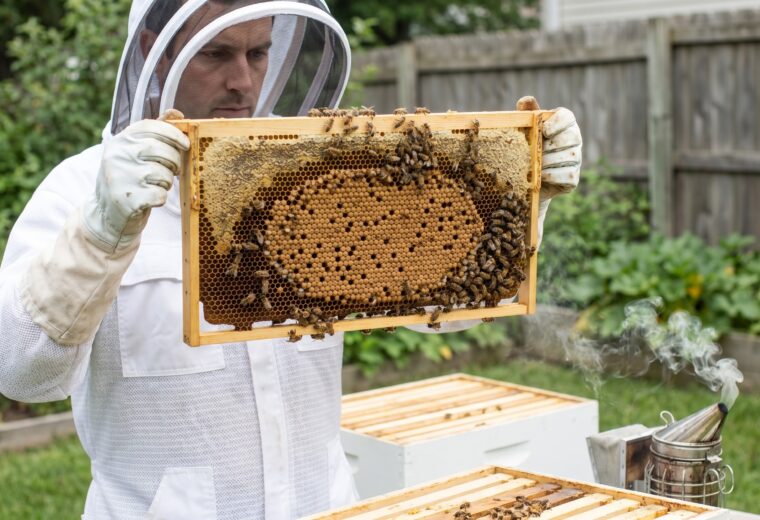
Pull a frame and tilt it toward the light. If you see no eggs standing upright in the bottom of the cells, and no young larvae curled like tiny commas, you may have a queenless colony - or you may simply be holding the frame at the wrong angle. Those two possibilities sit at the heart of every queenless diagnosis: the signs are real, but they need reading carefully before you act.
A queenless hive is one that has lost its mated, egg-laying queen. Without her, the colony has no way to replace aging workers, and population collapses within five to eight weeks as older bees die off. The practical question is whether a colony is genuinely queenless or whether it has a queen you missed, a virgin queen not yet laying, or a queen that swarmed days ago and is about to resume. Each situation calls for a different response.
What to look for on the frames
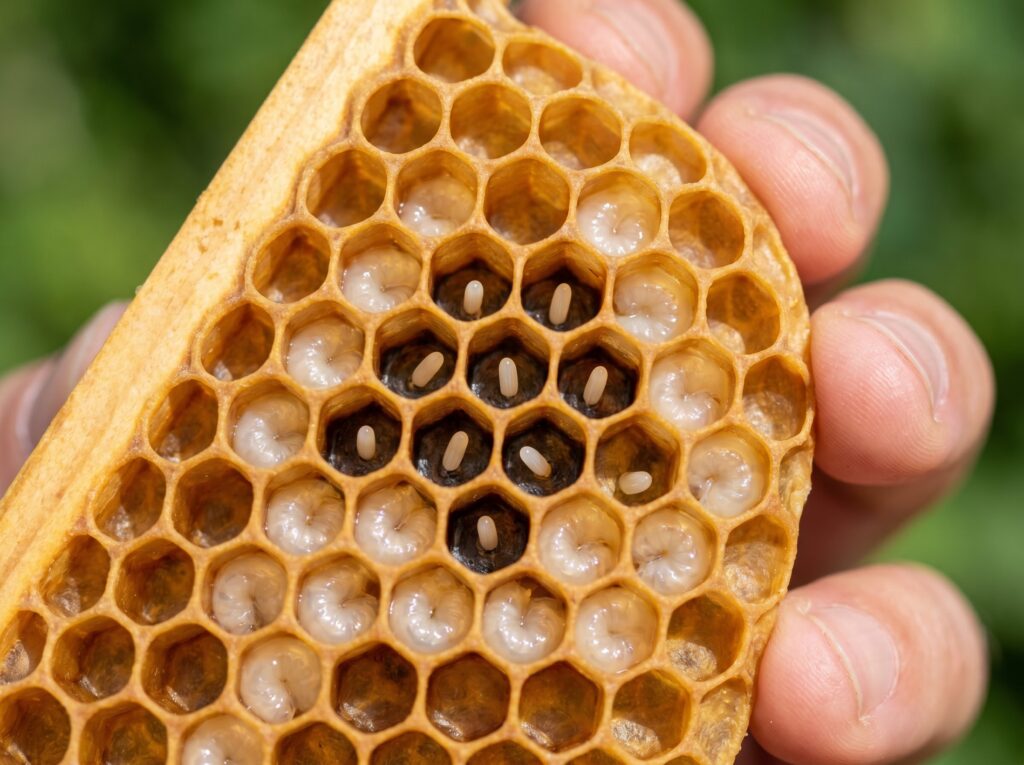
Eggs are the clearest signal the queen was present within the last 72 hours. A honey bee egg stands nearly vertical when freshly laid and gradually tilts toward horizontal as it ages, hatching into a larva about three days after it was laid. If you see eggs, the queen was there very recently - even if you cannot find her.
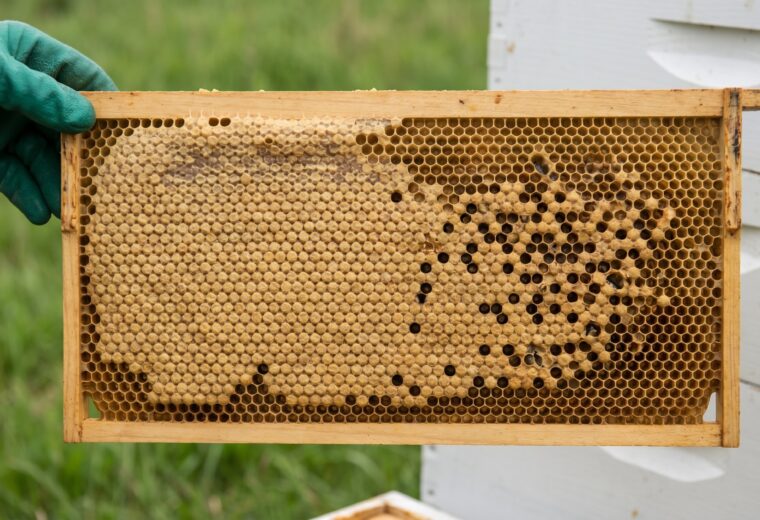
When eggs are absent across multiple frames, look at the brood pattern. A queenless hive typically shows sealed brood at first (the population of sealed worker cells that were already capped before the queen died), but the youngest brood ages out and nothing replaces it. Within about a week of losing the queen, the gap becomes obvious: sealed brood but no open larvae, no eggs, and the once-compact brood nest looking patchy.
Three things on the frames should go on your mental checklist:
- No eggs, no young larvae (under five days old). Both must be absent. Finding either one means the queen was present recently.
- Scattered or irregular capped brood. As the worker population ages down without new bees being raised, the remaining sealed brood sits in an increasingly empty comb.
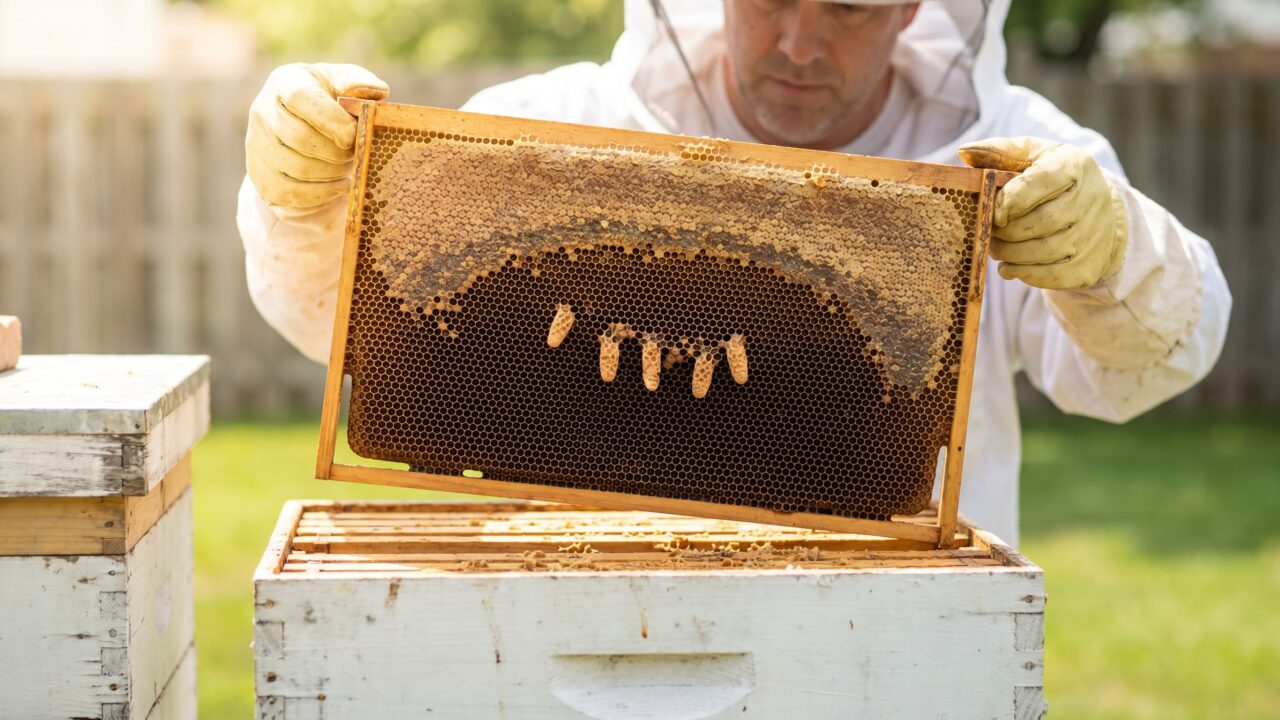
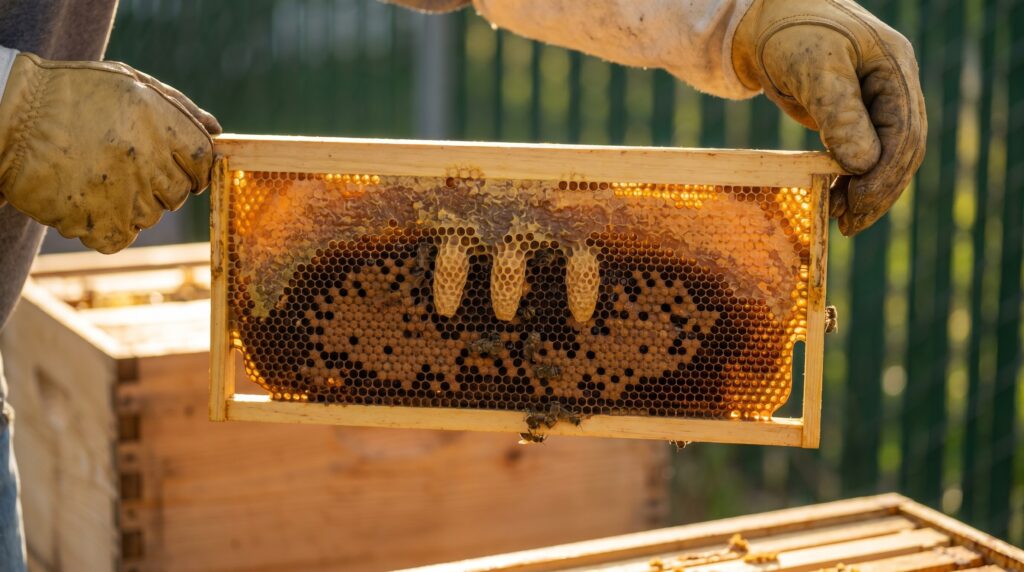
- Queen cells. The colony may have already started the fix. Emergency queen cells are built over existing worker larvae when the colony loses the queen suddenly. They appear anywhere on the face of the comb - not just along the bottom edge - and look like the colony converted a normal cell into a peanut-shell-shaped downward cup. Spotting them confirms the colony recognized the problem.
Queen cells deserve a closer look because they appear in three different situations: swarming, supersedure, and emergency rearing. Swarm cells cluster along the bottom edge of frames. Supersedure cells tend to appear in small numbers on the face of the comb while the old queen is still present. Emergency cells are the ones to associate with a queenless hive: multiple cells scattered across the brood area, built over larvae that were already in worker cells before the queen was lost. Penn State Extension puts it plainly - a colony makes a new queen naturally because it is swarming, has decided the current queen needs replacing, "or because the queen is missing or is dead." Emergency cells are the colony's answer to that third scenario.
Understanding the timeline matters for not jumping to conclusions. A colony can raise an emergency queen in about 16 days from egg. The queen cell is capped roughly nine days after the egg was laid. After the virgin emerges, she spends five to eight days in the hive before her mating flight, then another week or so before she begins consistent laying. That means a colony that lost its queen three weeks ago might look queenless even though a virgin is in there, mating and maturing. Opening the hive repeatedly to check disrupts her and increases the risk she does not return from a mating flight.
The sound that tells you something is off
Experienced beekeepers describe a queenless hive as having a different pitch and urgency at the entrance - sometimes called the queenless roar. The colony sounds louder, more disorganized, almost agitated. It is not aggression toward you; it is the ambient noise of tens of thousands of bees without the calming chemical signal their queen normally provides.
Queen mandibular pheromone, or QMP, is the primary queen signal. According to Penn State Extension, QMP "inhibits worker reproduction (laying workers) and prevents the rearing of new queens." When that pheromone fades from the hive - typically within hours to a day or two after the queen disappears - the colony's behavior shifts. Workers become restless, foragers may cluster oddly at the entrance, and the overall tone of the hive changes.
The sound check alone is not a diagnosis. A colony preparing to swarm, one with a failing queen, or one with a newly introduced virgin can all sound unsettled. Use the sound as a prompt to open up and look - not as the final word.
The test-frame method: confirming what you think you see
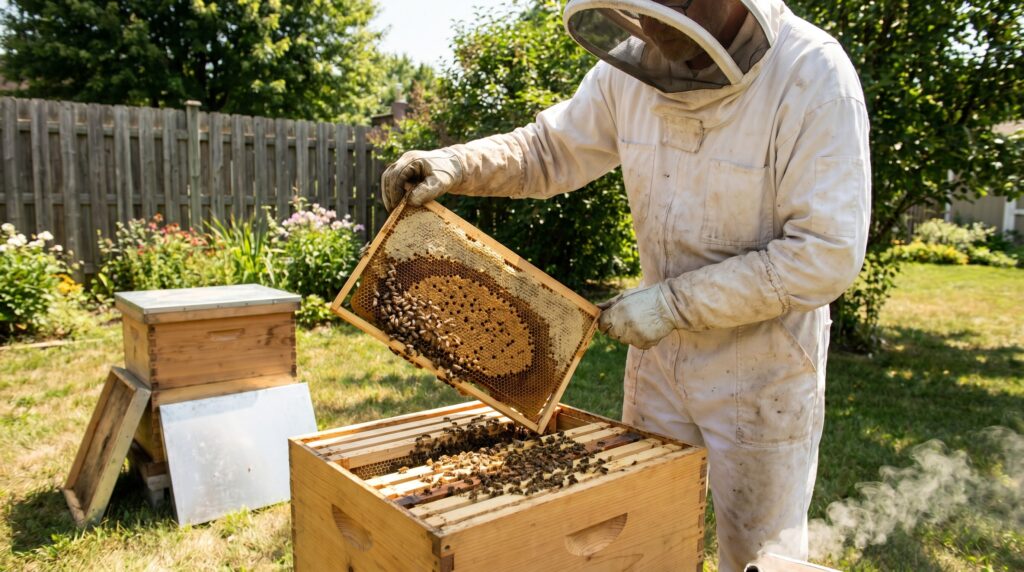
The test frame is the most reliable way to confirm queenlessness when you are unsure. Here is how it works.
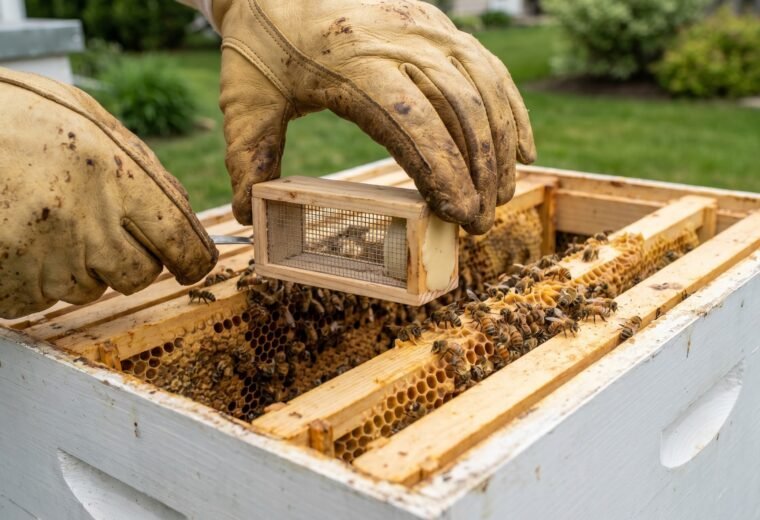
Take a frame of open brood - young larvae and eggs - from a healthy, queenright colony you trust. Brush it free of bees so you are not accidentally transferring a worker from the donor hive. Place that frame in the center of the suspect hive. Close up and wait four to five days.
When you return, read the frame:
- Queen cells started on the new frame: The colony began converting some of those young larvae into queen cells. This confirms the hive was queenless and recognized the brood as an opportunity to raise a replacement. The colony is now on its way to fixing itself if you give it time - or you can introduce a mated queen to shorten the queenless period.
- No queen cells on the frame: One of two things is true. Either the colony already has a queen (a virgin or newly mated queen you missed), or the colony has developed laying workers and no longer responds normally to new brood. Look for the queen again, carefully. Check whether eggs in the original frames show signs of laying workers - multiple eggs per cell, eggs stuck to the cell wall at an angle, and drone brood packed into worker-sized cells.
The test frame works because it hands the colony the raw material for a queen and watches what it does with the offer. A genuinely queenless colony will almost always begin queen cells on that frame within one to three days of you placing it. You wait the full four to five days before interpreting results because you are confirming that cells are actually being built and developed - not just started - and you want to distinguish clear intent from hesitant nibbling. The absence of queen cells after four or five days is meaningful information in either direction.
Diagnosis table: reading the evidence together
No single sign is definitive. The combination of observations narrows down the situation quickly.
| What you observe | What it suggests | Next step |
|---|---|---|
| Eggs present, no queen found | Queen present but hidden; not queenless | Look again on cooler, slower frames; check unmarked queen |
| No eggs, no young larvae; sealed brood present; emergency queen cells started | Queenless; colony self-correcting | Leave alone for 3-4 weeks OR introduce mated queen (destroy cells first) |
| No eggs; no queen cells; queenless roar; test frame untouched after 5 days | Likely laying workers or virgin queen present | Inspect for scattered drone brood in worker cells; check laying worker signs |
| No eggs; one or two capped queen cells; hive calm | Possible supersedure or virgin queen developing | Wait 3-4 weeks before intervening; re-inspect for eggs |
| Test frame shows queen cells started within 2-3 days; confirmed by 4-5 day check | Confirmed queenless; no virgin or laying worker present | Allow colony to raise queen OR introduce a purchased queen |
| Multiple eggs per cell; dome-capped brood in worker cells; no queen cells on test frame | Laying workers; colony in late-stage queenless decline | Requeen urgently; see laying worker guide |
When laying workers are already present
If a colony has been queenless for three to four weeks or more, worker ovaries can activate. Without the queen pheromone suppression noted above, some workers begin to lay. Because those workers were never mated, every egg they produce is unfertilized - which develops into a drone. The result is a bizarre brood pattern: drone brood in worker-sized cells (cells that will be domed or bullet-shaped rather than flat-capped), multiple eggs scattered across the floor or walls of cells rather than one egg centered at the bottom, and no worker brood at all.
A quick way to distinguish laying-worker drone brood from normal drone brood: normal drones are raised in oversized, clearly hexagonal drone cells that beekeepers recognise as wider than worker cells. Laying-worker drone brood sits in standard-sized worker cells that are dome-capped, making them look swollen and mismatched for the cell size. If you see dome-capped cells crammed into regular worker-sized comb rather than the wider drone-comb sections, that is the key visual tell of a laying-worker problem. New beekeepers who miss this distinction sometimes mistake normal drone production in drone comb for a laying-worker hive, and vice versa.
A laying-worker colony is significantly harder to correct than a simply queenless one. Introducing a purchased mated queen typically fails because the workers aggressively reject her - they have already reorganized around the laying-worker dynamic. The laying worker article covers the specific correction steps, but the key point here is that early diagnosis - catching queenlessness before this stage - is far easier to manage. That is the whole reason the test-frame method is worth doing promptly rather than waiting another week to see what happens.
What to do once you know the hive is queenless
Your options depend on how long the hive has been queenless and whether emergency queen cells are present.
If emergency queen cells are capped or developing and no more than two to three weeks have passed since the queen was lost, the simplest path is to leave the colony alone. Resist opening it repeatedly - each inspection risks damaging or chilling the developing cells, and a virgin queen interrupted during mating flights may not return. Give the colony four to five weeks from when you first noticed the queenless condition before checking for eggs again. You are waiting for the queen to emerge, mate, return, and begin laying.
A third possibility is that the test frame shows no queen cells, the hive is calm, and you suspect a virgin queen may already be present but cannot find her. This is actually a good-case scenario even though it looks like nothing is happening. Virgins are small, fast-moving, and easy to miss. If the hive has a steady population, no laying-worker signs, and the bees are calm, the most sensible action is to mark a date on your calendar four weeks out, close the hive, and wait. Buying and introducing a mated queen at this point will result in the virgin killing her - costing you money and setting the colony back. Patience here is the correct intervention.
If you need to speed up the process - because the season is short, the colony is weakening, or you want more certainty - introducing a mated queen is the faster fix. You will need to destroy any existing queen cells first (a step that feels drastic but is necessary, because a virgin emerging after you have introduced a mated queen will kill the purchased queen). The requeening guide covers cage types, release timing, and acceptance rates in detail.
If the colony is small and weakening badly, merging it with a healthy queenright hive using the newspaper method is worth considering. A colony that has lost too much population to raise a new queen successfully and sustain itself through the next nectar dearth is often better absorbed into a stronger neighbor than nursed through an uncertain recovery.
On the question of timing: the worst outcome is treating a temporarily queenless hive - one with a virgin in it - as truly queenless and introducing a purchased queen prematurely. You pay for a queen, the virgin kills her, and you are back where you started. The test-frame method and a patient four-to-five-day wait before interpreting results protect you from that mistake. Running through a full systematic inspection before drawing conclusions, and reviewing what normal and abnormal brood patterns look like, puts the odds in your favor.
A queenless hive is a solvable problem. The cost is measured in weeks and one purchased queen if needed, not in losing the colony - provided you catch it before laying workers take hold and before the population drops below the point where it can warm new brood. The steady hand at the hive is the one that looks carefully, waits for confirmation, and then acts.
Questions answered
How long can a hive survive without a queen?
A colony can raise a new queen in roughly 16 days from egg. That 16-day window is just the development stage; the full queenless period - development, plus the virgin's maturation and mating flights, plus the time before she begins consistent laying - typically runs four to six weeks in practice. If the colony fails to raise a new queen at all, workers age out without replacement, and the population collapses within five to eight weeks of the colony first becoming queenless. So the headline answer is: a healthy colony has roughly four to six weeks to succeed at requeening before the clock runs out, and around five to eight weeks total before numbers collapse entirely.
Can I find the queen if the hive seems queenless?
Missing the queen on an inspection is common, especially in a hive of 40,000 to 60,000 bees. Before concluding the hive is queenless, look again on a second frame-by-frame pass with the sun at your back. Finding even a single upright egg tells you she was there within the last three days. The test-frame method is the backup when repeated searches still turn up nothing.
Will a queenless hive become more aggressive?
Many beekeepers report heightened defensiveness in a queenless hive, likely connected to the loss of the queen's pheromone signals. The colony is not angry at you; it is behaviorally disorganized. Standard precautions - full suit, smoker, calm movements - handle it. If a colony becomes genuinely difficult to work, requeening with stock known for good temperament is worth doing regardless of the reason the original queen was lost.
What if there are queen cells but I can't find eggs?
Queen cells without eggs is actually good news: the colony has already started its own repair. Check whether the cells are capped (which means the queen died at least nine days ago and the process is well underway) or still open. Do not destroy the cells - leave the colony alone for three to four weeks, then re-inspect for eggs. Intervening before a virgin has time to mate and begin laying is the most common way to extend the queenless period unnecessarily.
- Penn State Extension"An Introduction to Queen Honey Bee Development" - used for queen development timeline (16 days egg to queen, 9 days to cell capping, 5-8 days for virgin before mating flight), laying rate (over 2,000 eggs per day), QMP inhibition of laying workers, emergency queen-rearing triggers, and egg hatching timing ("Eggs hatch into larvae about three days after being laid")
- Honey Bee Research Centre"Stages of Bee Growth" - used to confirm egg hatching timing ("After 3 days, an egg will hatch into a larva") consistent with Penn State Extension guidance